Nobody tells new artists this part: what a distributor does with your music
Here’s why distributors are vital for getting your music on major streaming services.

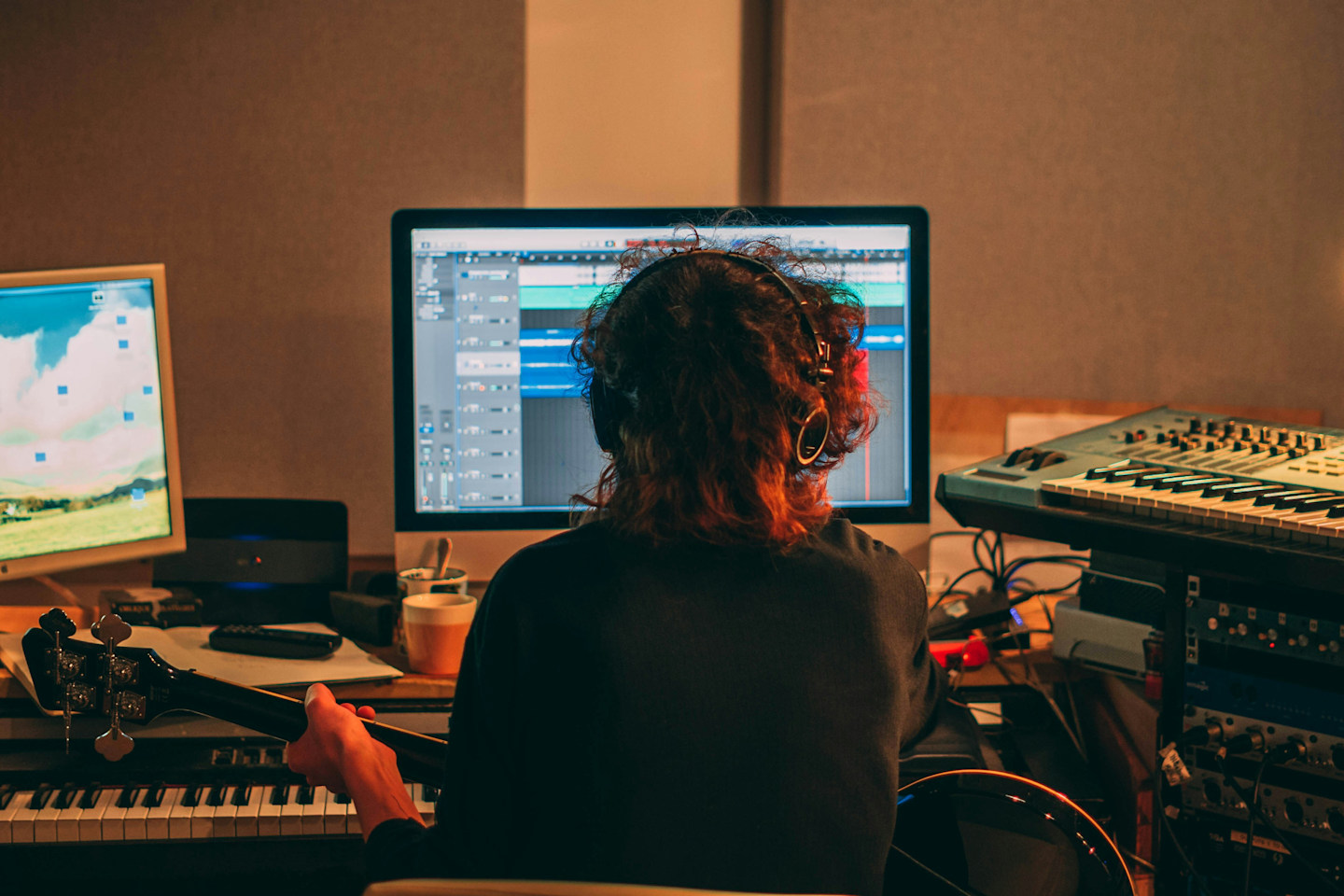
For any musician, putting their work out into the world is a multi-step process. Between recording, mixing, mastering, and fine-tuning the back-end details, getting it onto the right platform can get lost in the shuffle.
On platforms like SoundCloud and Bandcamp, independent artists can upload their music directly through their own accounts and share the link with fans once it’s done. But other streaming services like Apple Music and Spotify rely on official music distributors like DistroKid to deliver the music to them. While signed artists have label teams to handle these logistics on their behalf, independent artists have to find a distributor on their own.

The platforms you use depend on your goals for your release. SoundCloud and Bandcamp are great for sharing early releases, but Apple Music and Spotify give your music access to large existing audiences, which can help it reach new listeners. So, do you need a music distributor? Yes, if you want your music to appear on Apple Music or Spotify. Since artists can’t submit their music to these services directly, going through a music distributor is how your release gets there.
Music distributors act as the bridge between your finished track and those major streaming platforms. Distributors like DistroKid already have the technical setup to review, deliver, and report the data that goes with your release. Once you hand over the song and the details attached to it—from your artist name and song title to credits, release date, and ISRC codes (the unique numbers that identify your song across platforms)—it's packaged to match each platform’s technical requirements and delivered to go live on the date you choose. Those details matter as much as the audio file itself: a typo in your stage name can send your track to another artist’s profile, so double-check everything before you submit. Many distributors review submissions before sending them out, since platforms expect this information to be accurate.
Once the song is live, platforms also send royalties for streams to music distributors, who then pass them along to artists and anyone they’ve set up splits for. For signed artists, their label works with a distributor and handles delivery and payouts for them, but usually as part of a deal that also includes funding, marketing, and creative support. When DistroKid delivers your music to platforms like Spotify, Apple Music, and even TikTok, artists keep 100% of their earnings in the process, according to their website. If you worked with a co-writer or producer, DistroKid also lets you assign a percentage to every collaborator at upload so the right amount will go directly to them. Whatever route you choose, read the terms and verify when and how you get paid.
While a distributor can do a lot for artists, there are a few things it can’t, like promising streams, playlist placements, or earnings for a release. They can get your music onto the platforms, but how far it goes comes down to how you market it.
Getting your song onto Apple Music or Spotify is just one part of releasing your music, and a distributor helps bring it all together. For a more practical take, from file specs to timing, our step-by-step guide covers everything you need to get started.